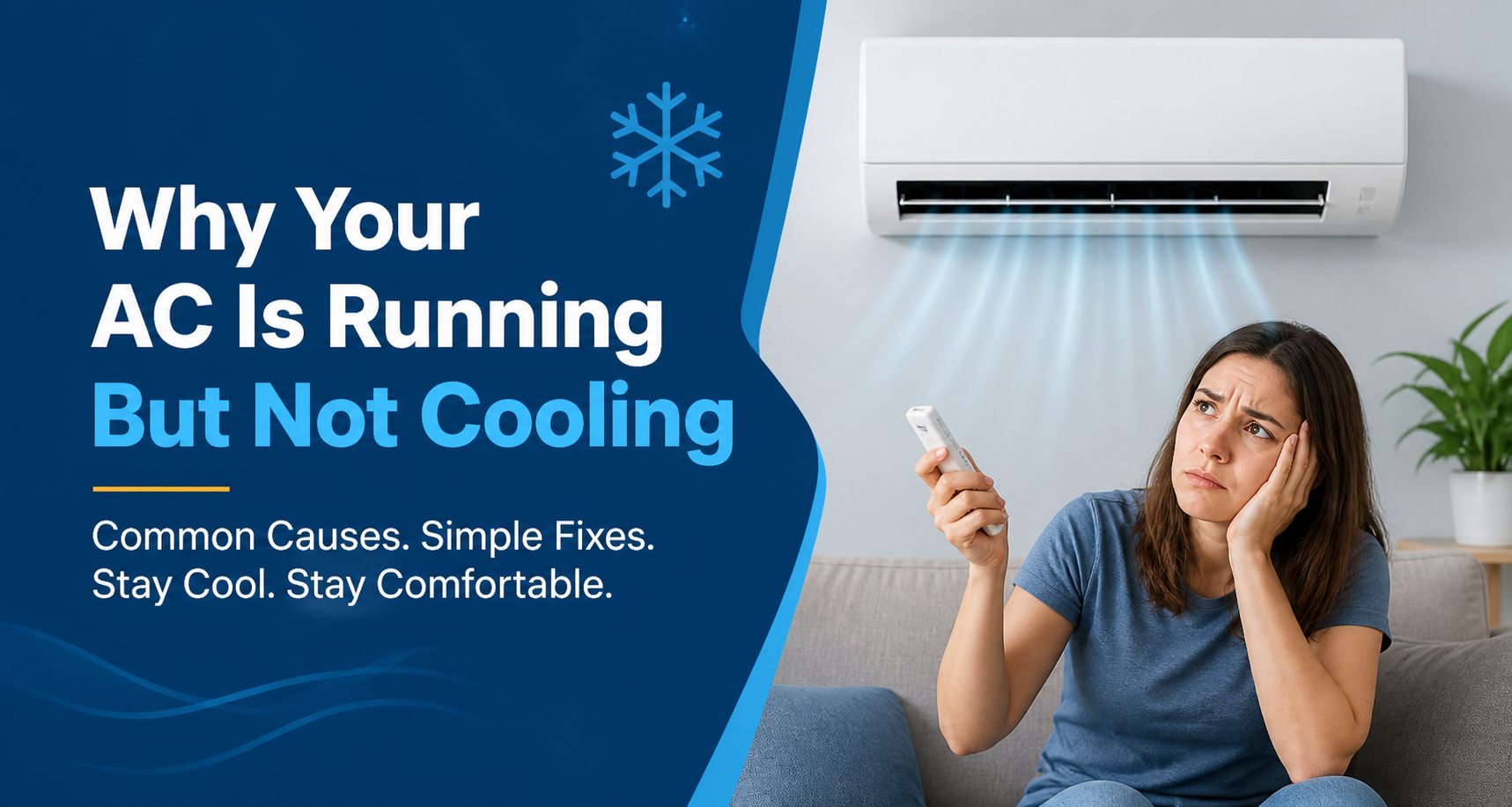
There’s nothing more frustrating than hearing your air conditioner running on a hot day—only to realize your home still feels warm and uncomfortable. If your AC is on but not cooling, you’re not alone. This is one of the most common issues homeowners face, especially during peak summer months.
The good news is that this problem is often fixable. Sometimes it’s something simple you can address yourself, while other times it may require professional attention. Understanding why your AC is running but not cooling is the first step toward restoring comfort in your home.
Understanding What’s Happening
When your air conditioner is working properly, it pulls warm air from inside your home, cools it through a refrigeration process, and then circulates that cooled air back into your living space. If something interrupts this cycle, your system may continue running—but without actually lowering the temperature.
This can feel confusing because the AC isn’t completely broken. It’s still turning on, making noise, and pushing air through vents. But somewhere along the process, cooling is being compromised.
Common Reasons Your AC Isn’t Cooling
One of the most frequent causes is something as simple as a dirty air filter. Over time, filters collect dust, dirt, and debris. When they become clogged, airflow is restricted, making it difficult for your system to circulate cool air efficiently. This can cause your AC to run longer without delivering results.
Low refrigerant levels are another common issue. Refrigerant is the substance that actually cools the air. If your system has a leak or hasn’t been properly maintained, it may not have enough refrigerant to do its job. In this case, the AC might run continuously but fail to cool your home.
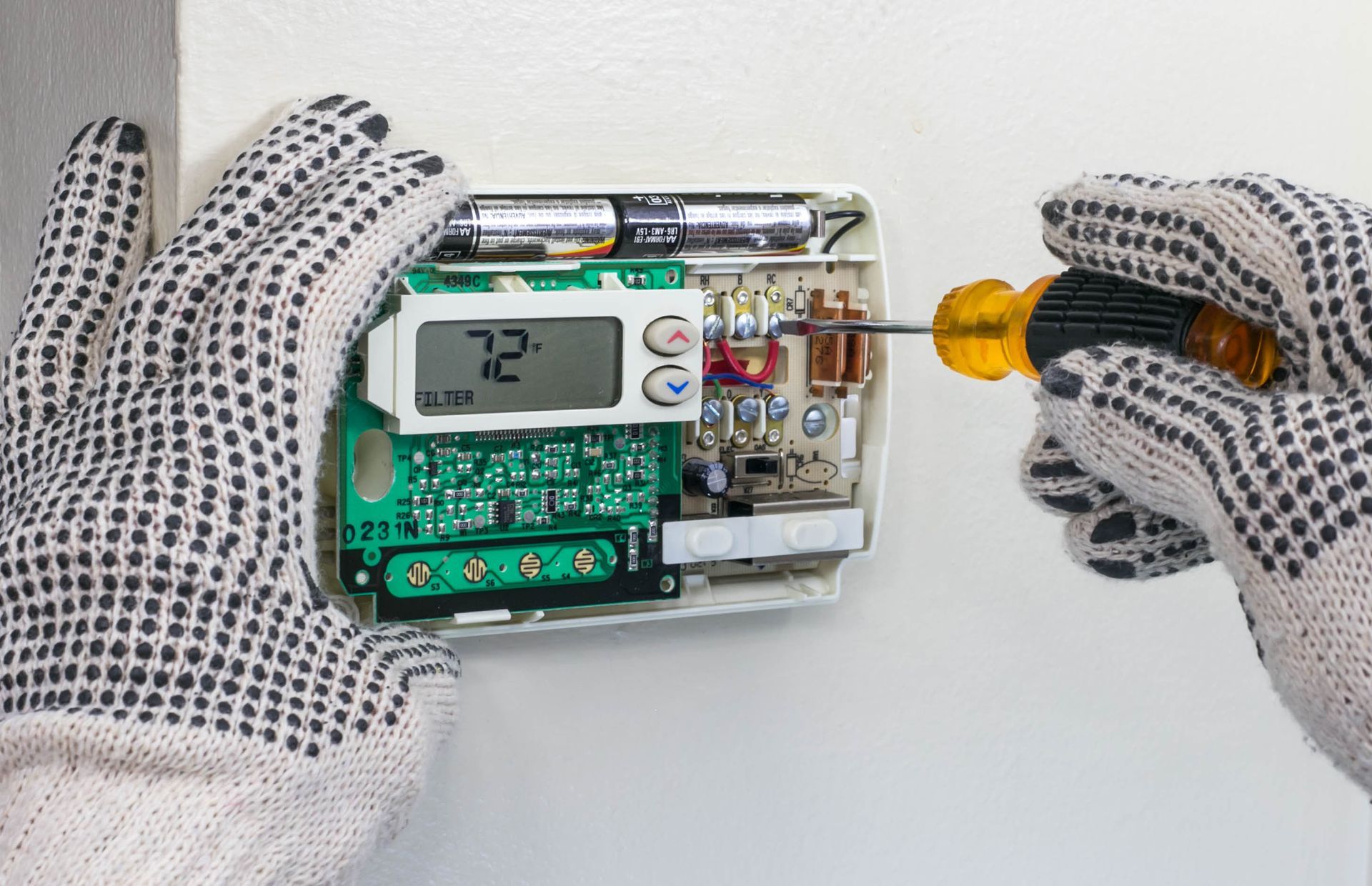
Thermostat problems can also play a role. If your thermostat is incorrectly set, malfunctioning, or located in a poor position (like near a heat source), it may not accurately detect your home’s temperature. This can cause your AC to behave inconsistently.
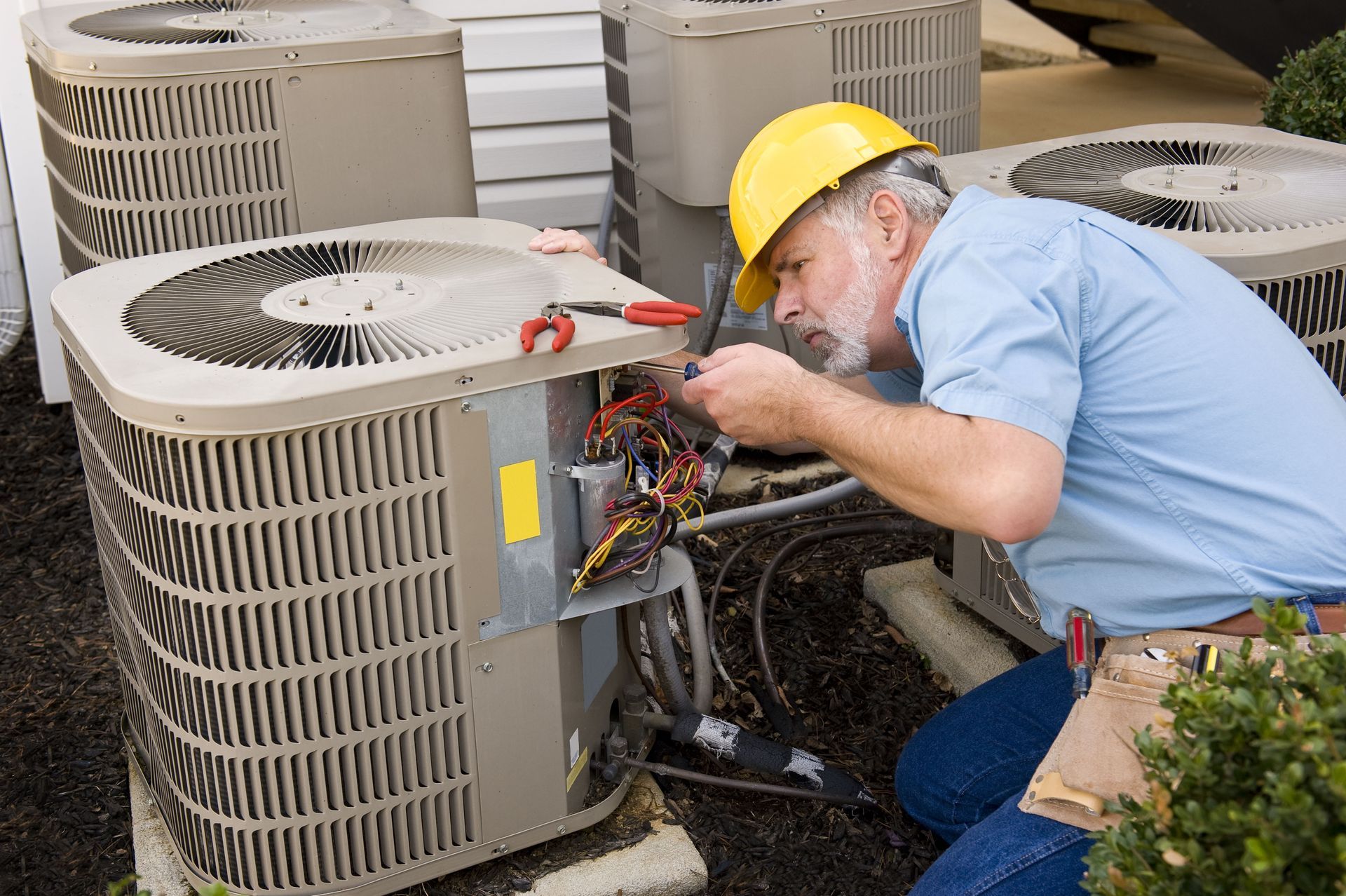
In some cases, the issue may lie with your outdoor unit. The condenser, which sits outside your home, is responsible for releasing heat. If it becomes dirty, blocked by debris, or damaged, it can’t effectively remove heat from your system—resulting in warm air indoors.
Another possibility is frozen evaporator coils. When airflow is restricted or refrigerant levels are off, moisture on the coils can freeze. This prevents proper heat exchange and stops your system from cooling effectively.
When the Problem Is Bigger Than It Seems
While some issues are minor, others may point to deeper system problems. For example, failing components like compressors, electrical issues, or ductwork leaks can all impact your AC’s ability to cool your home.
Leaky or poorly insulated ducts can allow cool air to escape before it reaches your rooms. This means your system works harder while delivering less comfort.
Additionally, if your AC unit is older or not properly sized for your home, it may struggle to keep up with demand—especially during extreme heat.
What You Can Check Yourself
Before calling a professional, there are a few things you can safely inspect. Start with your thermostat settings and make sure it’s set to “cool” with the desired temperature lower than the current room temperature.
Check your air filter. If it looks dirty, replacing it may immediately improve airflow and performance.
Take a look at your outdoor unit. Clear away any debris like leaves, dirt, or grass clippings that may be blocking airflow. Make sure there’s at least a couple of feet of clear space around it.
Also, ensure that your circuit breakers haven’t tripped and that your vents inside the home are open and unobstructed.
When to Call an HVAC Professional
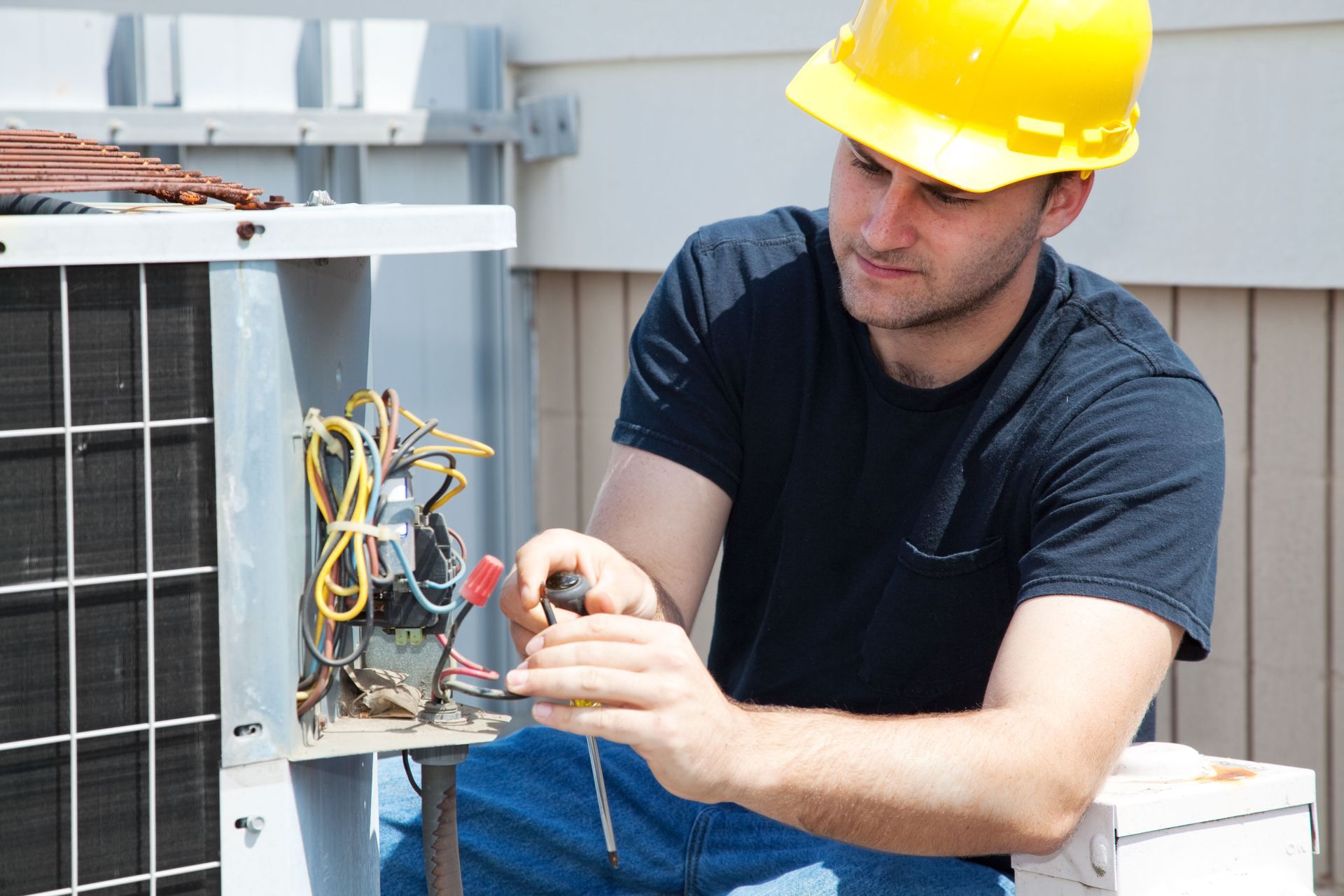
If you’ve checked the basics and your AC still isn’t cooling, it’s time to bring in a professional. Issues like refrigerant leaks, frozen coils, or electrical failures require specialized tools and expertise.
Delaying repairs can make the problem worse and potentially lead to more expensive damage. A trained technician can quickly diagnose the issue, restore proper function, and ensure your system is running efficiently.
Preventing Future Cooling Problems
Regular maintenance is one of the best ways to avoid this issue altogether. Scheduling seasonal tune-ups allows professionals to catch small problems before they turn into major repairs.
Changing your air filters regularly, keeping your outdoor unit clean, and monitoring your system’s performance can go a long way in maintaining consistent cooling.
Investing in preventative care not only improves comfort but also extends the lifespan of your HVAC system and reduces energy costs.
Frequently Asked Questions (FAQ)
1. Why is my AC running but not lowering the temperature?
This usually happens when airflow is restricted, refrigerant levels are low, or components like coils or compressors aren’t functioning properly.
2. Can a dirty air filter really stop my AC from cooling?
Yes, a clogged filter can significantly reduce airflow, making it difficult for your system to cool your home effectively.
3. How do I know if my AC has low refrigerant?
Signs include warm air blowing from vents, longer cooling cycles, and sometimes ice forming on the unit. A professional technician should handle refrigerant issues.
4. Should I turn off my AC if it’s not cooling?
If you suspect issues like frozen coils or unusual noises, it’s best to turn it off to prevent further damage and call a professional.
5. How often should I service my AC?
Most experts recommend at least once a year, ideally before the summer season begins.
6. Is it better to repair or replace my AC?
If your unit is older (10–15 years) and frequently breaking down, replacement may be more cost-effective. Otherwise, repairs are usually sufficient.
Final Thoughts
When your AC is running but not cooling, it’s more than just an inconvenience—it’s a sign that something isn’t working as it should. While some fixes are simple, others require expert care.
The key is not to ignore the problem. Addressing it early can save you time, money, and discomfort—especially during the hottest days of the year.
If your system isn’t keeping up, getting professional help can quickly bring your home back to the cool, comfortable space it should be.