By Karen Lynch
May 22, 2026
Your air conditioner plays a critical role in keeping your home comfortable during hot weather, but like any major appliance, it requires regular maintenance to perform efficiently. Many homeowners only pay attention to their AC system when something goes wrong, which often leads to expensive repairs, poor cooling performance, and higher energy bills.
Routine AC maintenance helps improve system efficiency, extend equipment lifespan, maintain healthy indoor air quality, and reduce the likelihood of unexpected breakdowns. A well-maintained air conditioning system not only cools your home more effectively but also operates with less strain, saving money over time.
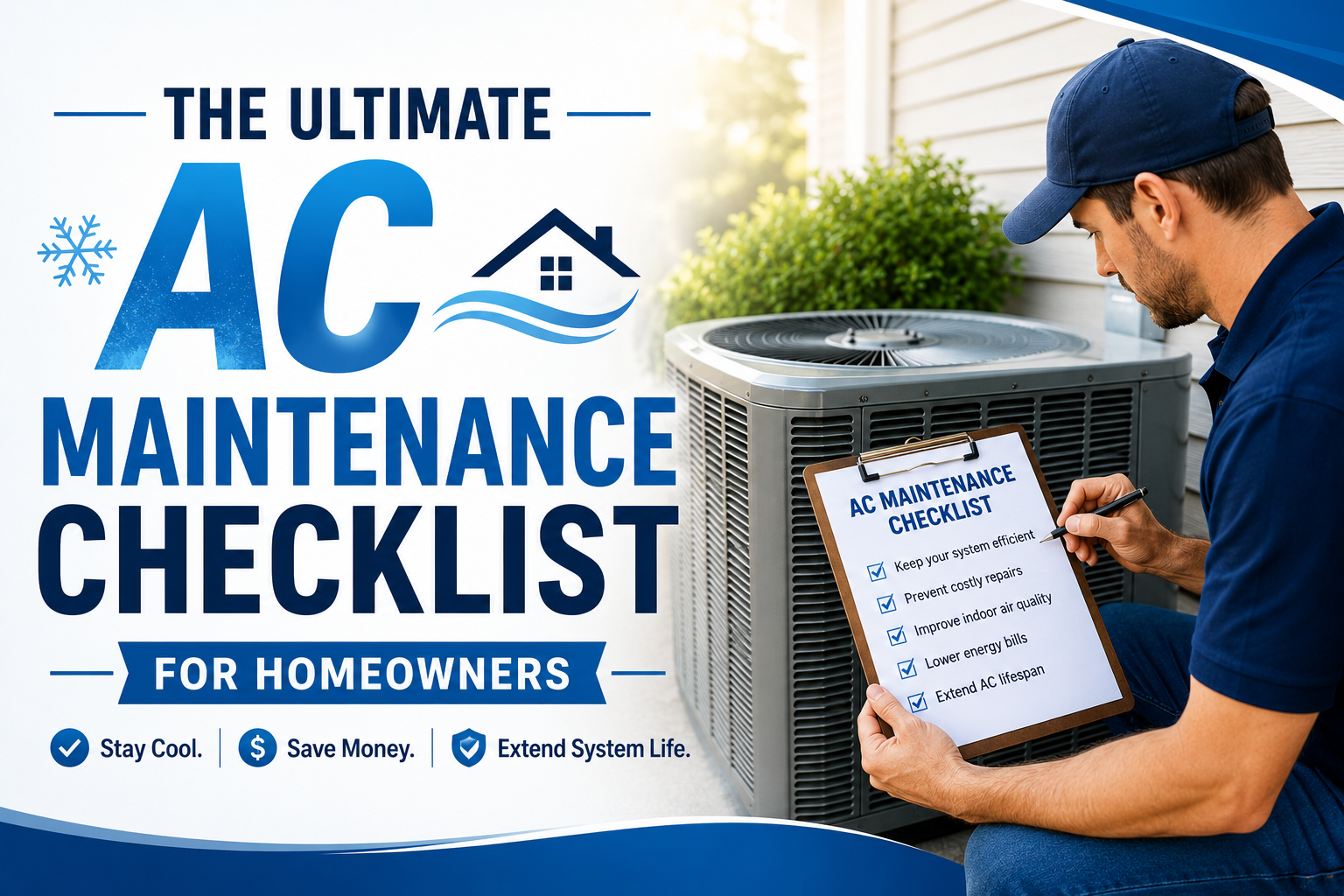
This ultimate AC maintenance checklist will help homeowners understand the essential tasks needed to keep their cooling systems running smoothly throughout the year.
Why Regular AC Maintenance Is Important
Air conditioning systems work hard during warmer months, often operating for hours every day. Over time, dust, dirt, debris, and normal wear can reduce system efficiency and place additional stress on HVAC components.
Without proper maintenance, your air conditioner may experience:
- reduced airflow,
- uneven cooling,
- higher electricity consumption,
- poor humidity control,
- and costly mechanical failures.
Routine maintenance improves energy efficiency, helps maintain consistent indoor comfort, and allows small issues to be identified before they become major repair problems.
Regular servicing can also extend the life of your HVAC system, helping homeowners avoid premature replacement costs.
Signs Your AC System May Need Maintenance
Many air conditioning systems show warning signs before serious problems develop. Homeowners who recognize these symptoms early can often prevent larger HVAC failures.
Common signs that your AC needs maintenance include weak airflow, warm air coming from vents, unusual noises, unpleasant odors, rising utility bills, excess indoor humidity, or frequent system cycling.
If your air conditioner struggles to maintain comfortable temperatures or runs longer than normal, maintenance may already be overdue.
Replace or Clean Air Filters Regularly
One of the most important and easiest AC maintenance tasks is replacing or cleaning air filters.
Air filters collect dust, dirt, pollen, pet dander, and airborne particles that circulate through your HVAC system. Over time, clogged filters restrict airflow, forcing the system to work harder to cool your home.
Dirty filters can lead to:
- reduced cooling efficiency,
- higher energy bills,
- frozen evaporator coils,
- and poor indoor air quality.
Most homeowners should replace filters every one to three months depending on:
- system usage,
- indoor air quality,
- pets,
- and allergy concerns.
Clean filters help improve airflow, maintain cooling performance, and support healthier indoor air.
Inspect and Clean Air Vents
Supply and return vents play a major role in maintaining proper airflow throughout your home. Dust buildup or blocked vents can reduce cooling efficiency and create uneven temperatures between rooms.
Homeowners should regularly inspect vents for:
- dust accumulation,
- furniture blockage,
- closed vent covers,
- or airflow obstructions.
Vacuuming vent covers and ensuring proper airflow can help your HVAC system distribute cooled air more effectively.
Keeping vents open and unobstructed also reduces unnecessary strain on the system.
Check Thermostat Settings
Your thermostat controls how efficiently your air conditioner operates. Incorrect settings or calibration issues may cause excessive energy usage and inconsistent cooling performance.
Homeowners should verify that:
- the thermostat is functioning correctly,
- temperature settings are accurate,
- and cooling schedules align with household usage patterns.
Programmable and smart thermostats can improve energy efficiency by automatically adjusting temperatures throughout the day.
Setting temperatures too low may overwork the AC system and increase wear on HVAC components.
Clean Around the Outdoor Condenser Unit
The outdoor condenser unit requires proper airflow to release heat efficiently. Dirt, leaves, grass clippings, and debris around the unit can reduce system performance and force the AC to work harder.
Homeowners should inspect the outdoor unit regularly and remove:
- leaves,
- weeds,
- branches,
- and other obstructions.
Maintaining at least two feet of open space around the condenser improves airflow and cooling efficiency.
Gently rinsing dirt from condenser fins with a garden hose can also help maintain proper performance, although professional cleaning may still be necessary for heavily soiled units.
Inspect Refrigerant Lines
Refrigerant is essential for the cooling process. If refrigerant levels are low or leaks develop, the AC system may struggle to cool your home effectively.
Signs of refrigerant issues may include:
- warm air from vents,
- ice buildup on refrigerant lines,
- hissing sounds,
- or longer cooling cycles.
Refrigerant handling requires professional HVAC service because improper repairs can damage the system and create safety concerns.
If you suspect refrigerant problems, contact a licensed HVAC technician immediately.
Clean the Condensate Drain Line
Your air conditioner removes humidity from indoor air, and that moisture exits through the condensate drain line. Over time, algae, dirt, and debris can clog the drain line and create moisture problems.
A blocked drain line may cause:
- water leaks,
- mold growth,
- musty odors,
- and increased indoor humidity.
Homeowners can help maintain the drain line by periodically flushing it with vinegar or warm water, but severe clogs may require professional cleaning.
Routine drain maintenance helps prevent water damage and supports proper humidity control.
Inspect Electrical Components
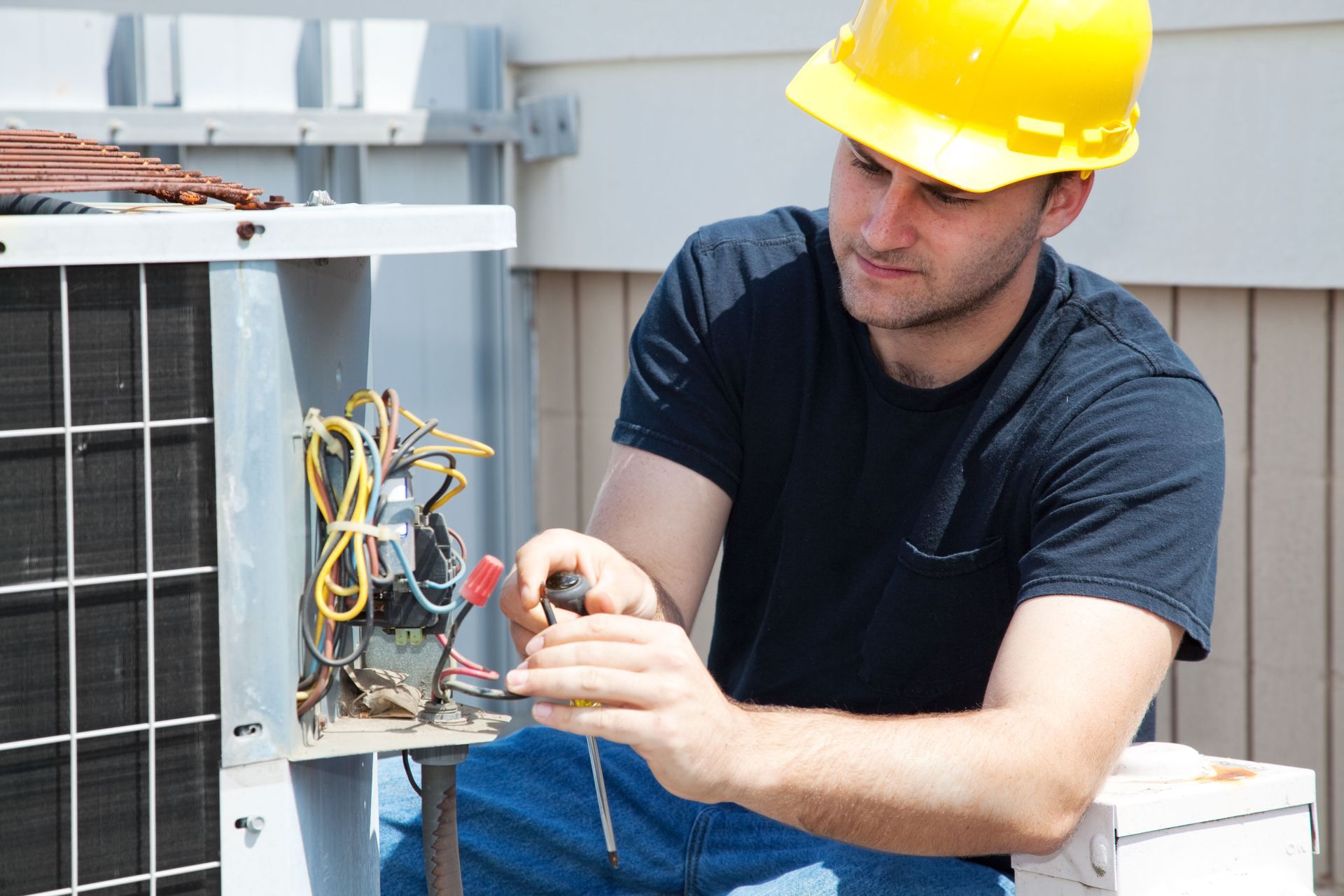
Your HVAC system contains multiple electrical connections, capacitors, relays, and wiring components that require periodic inspection.
Loose or damaged electrical parts may reduce system efficiency and create potential safety hazards.
Warning signs of electrical problems may include:
- flickering power,
- buzzing sounds,
- burning smells,
- or intermittent system operation.
Because electrical repairs can be dangerous, homeowners should leave complex inspections and repairs to qualified HVAC professionals.
Monitor AC Cycling Performance
A properly functioning air conditioner should complete regular cooling cycles without constantly turning on and off.
Short cycling occurs when the system shuts down too quickly before completing a full cooling cycle. This issue may be caused by:
- dirty filters,
- thermostat problems,
- airflow restrictions,
- refrigerant issues,
- or incorrect system sizing.
On the other hand, an AC system that runs continuously may struggle with cooling efficiency or airflow problems.
Monitoring cycling behavior helps homeowners identify potential HVAC issues early.
Listen for Unusual Noises
Air conditioners typically produce low operational sounds during normal use. Unusual noises often indicate developing mechanical problems.
Grinding, rattling, squealing, buzzing, or banging sounds may signal issues involving:
- motors,
- belts,
- fan blades,
- electrical components,
- or loose hardware.
Addressing unusual noises quickly may prevent more expensive repairs later.
Ignoring strange sounds often allows small issues to worsen over time.
Schedule Professional HVAC Maintenance
While homeowners can perform several basic maintenance tasks, professional HVAC servicing remains essential for long-term system performance.
Most HVAC professionals recommend scheduling maintenance at least once a year, preferably before peak summer temperatures arrive.
During professional maintenance visits, technicians typically inspect:
- evaporator coils,
- condenser coils,
- refrigerant levels,
- airflow performance,
- electrical systems,
- motors,
- and overall system efficiency.
Professional tune-ups help identify hidden issues before they lead to breakdowns or major repair expenses.
Seasonal AC Maintenance Tips
Air conditioner maintenance requirements may vary depending on the season.
During spring, homeowners should prepare the system for heavy summer use by replacing filters, cleaning outdoor units, and scheduling inspections.
In summer, monitoring airflow and cooling performance becomes especially important because the system operates more frequently.
During fall and winter, protecting outdoor units from debris and weather exposure can help reduce wear and extend equipment lifespan.
Seasonal maintenance improves year-round HVAC reliability.
DIY AC Maintenance vs Professional Service
Many homeowners can safely handle basic AC maintenance tasks such as:
- replacing filters,
- cleaning vents,
- checking thermostat settings,
- and removing outdoor debris.
However, some maintenance tasks require professional expertise.
Refrigerant handling, electrical repairs, deep coil cleaning, compressor diagnostics, and airflow testing should always be performed by trained HVAC technicians.
Combining DIY maintenance with professional servicing provides the best long-term results.
Common AC Maintenance Mistakes Homeowners Make
Some homeowners unintentionally reduce HVAC efficiency by neglecting simple maintenance practices.
Common mistakes include:
- forgetting to replace filters,
- blocking vents with furniture,
- ignoring unusual noises,
- skipping annual tune-ups,
- and setting extremely low thermostat temperatures.
Neglecting outdoor unit cleaning is another frequent issue that reduces airflow and system performance.
Avoiding these mistakes helps maintain reliable cooling and energy efficiency.
How AC Maintenance Saves Money
Routine AC maintenance can significantly reduce long-term homeownership costs.
Efficient HVAC systems consume less electricity, lowering monthly utility bills. Preventive maintenance also reduces the risk of emergency breakdowns and expensive repairs.
Well-maintained systems experience less wear and often last several years longer than neglected units.
Investing in regular maintenance ultimately costs far less than replacing major HVAC components prematurely.
When to Call an HVAC Professional
Homeowners should contact an HVAC professional if they notice:
- frozen evaporator coils,
- refrigerant leaks,
- water leakage,
- electrical odors,
- inconsistent cooling,
- weak airflow,
- or repeated system shutdowns.
Professional diagnosis ensures problems are addressed safely and correctly before they escalate into larger HVAC failures.
Ignoring serious warning signs can lead to expensive repairs and complete system breakdowns.
Final Thoughts
Regular AC maintenance is one of the most important responsibilities homeowners can prioritize for indoor comfort and energy efficiency.
A properly maintained air conditioner cools more effectively, controls humidity better, lasts longer, and operates with lower energy consumption.
By following a consistent maintenance routine and scheduling professional HVAC inspections, homeowners can reduce repair costs, improve indoor air quality, and enjoy reliable cooling throughout the year.
Preventive maintenance not only protects your HVAC investment but also creates a more comfortable and healthier living environment for your family.
Frequently Asked Questions
How often should I service my AC unit?
Most HVAC professionals recommend servicing your AC system at least once a year, ideally before summer begins.
How often should air filters be replaced?
Air filters should typically be replaced every one to three months depending on system usage, pets, allergies, and indoor air quality.
Can AC maintenance reduce energy bills?
Yes. Regular maintenance improves cooling efficiency, reduces energy consumption, and helps lower monthly utility costs.
What happens if AC maintenance is ignored?
Neglected systems may experience reduced efficiency, higher energy bills, poor cooling performance, and expensive repair problems.
Can homeowners perform AC maintenance themselves?
Homeowners can safely perform tasks like replacing filters, cleaning vents, and removing debris around outdoor units, but professional servicing is still necessary for deeper inspections and repairs.