Maintaining a comfortable and safe indoor environment requires a reliable climate control system that operates efficiently throughout every season. Heating and cooling equipment works constantly beneath the surface to regulate indoor temperatures, balance humidity levels, and circulate clean air across residential and commercial spaces. Over time, continuous operational stress causes critical mechanical components to experience severe wear, electrical degradation, and reduced airflow efficiency. Ignoring subtle warning signs often leads to unexpected system failures, increased utility bills, and uncomfortable living conditions. Understanding how modern climate systems function, recognizing early performance declines, and working with a certified HVAC repair company ensures that heating and cooling units remain functional and efficient year round. Taking a proactive approach to equipment care preserves interior comfort, protects structural investments, and prevents costly emergency restoration projects.
Identifying Common Indicators of System Failure
Heating and cooling equipment rarely fails without providing noticeable warning signals ahead of time. Weak airflow coming from supply vents often points to clogged filtration media, failing blower motors, or severe ductwork obstructions that restrict proper circulation throughout the building. Unusual sounds such as squealing belts, metallic grinding, or loud rattling indicate loose mechanical parts or internal motor damage that requires immediate technical attention. Foul odors escaping through the ventilation network can signal organic growth on cooling coils or electrical overheating within the main control unit. Monitoring these operational changes allows property owners to request assistance before total system shutdowns occur and disrupt daily household activities.
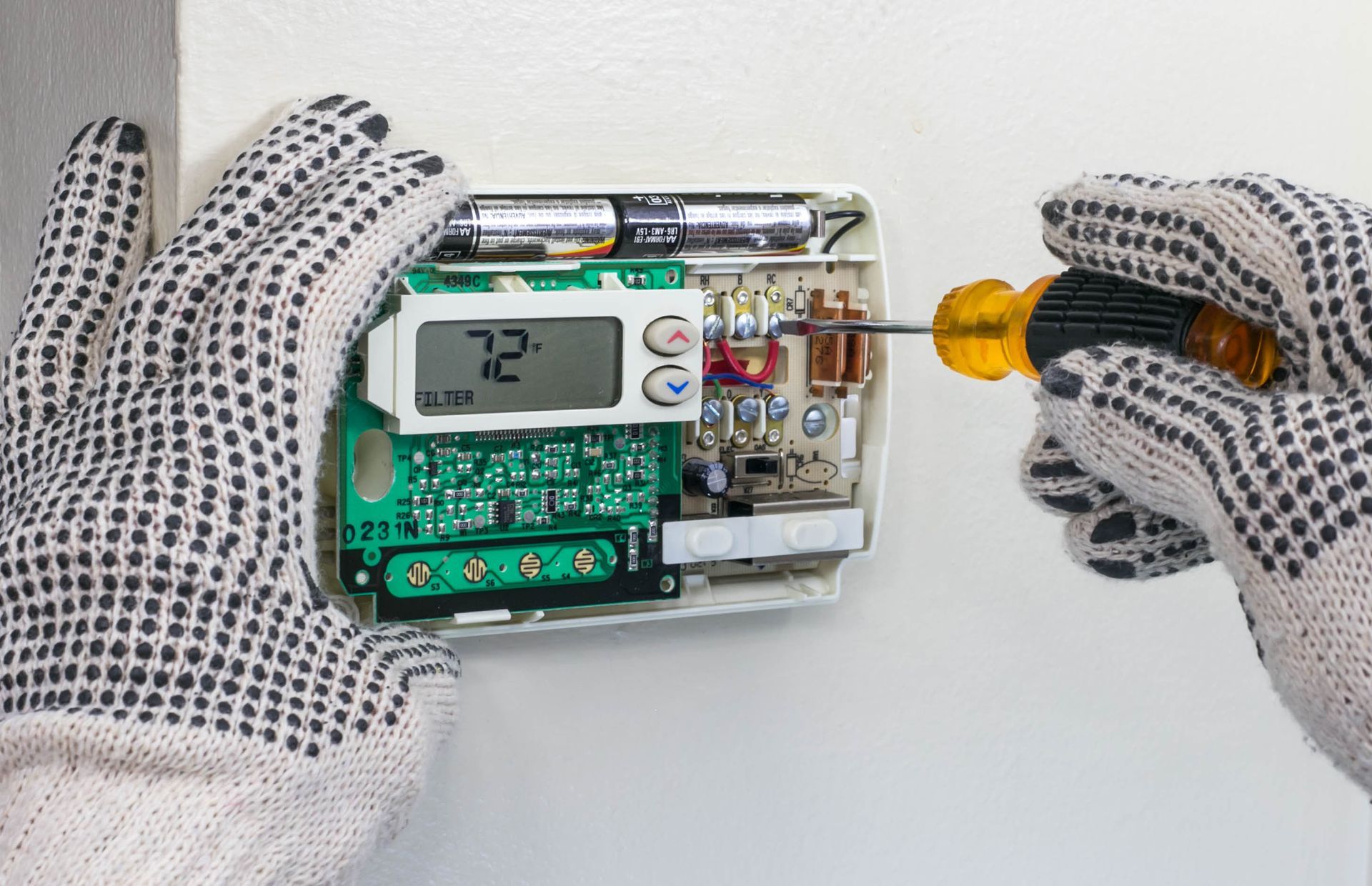
Frequent temperature fluctuations between different rooms also indicate that the climate control system is struggling to maintain proper balance. Thermostats may misread ambient temperatures, or refrigerant leaks may prevent cooling components from absorbing indoor heat effectively. According to Industry Research, nearly 54% of HVAC repair service calls are related to air conditioning systems. When cooling equipment fails during peak summer heat, indoor comfort drops rapidly, creating stressful living conditions for all occupants. Partnering with a skilled HVAC repair company allows property owners to diagnose complex mechanical issues quickly and prevent minor operational glitches from escalating into catastrophic equipment failures.
Understanding Essential Component Maintenance Needs
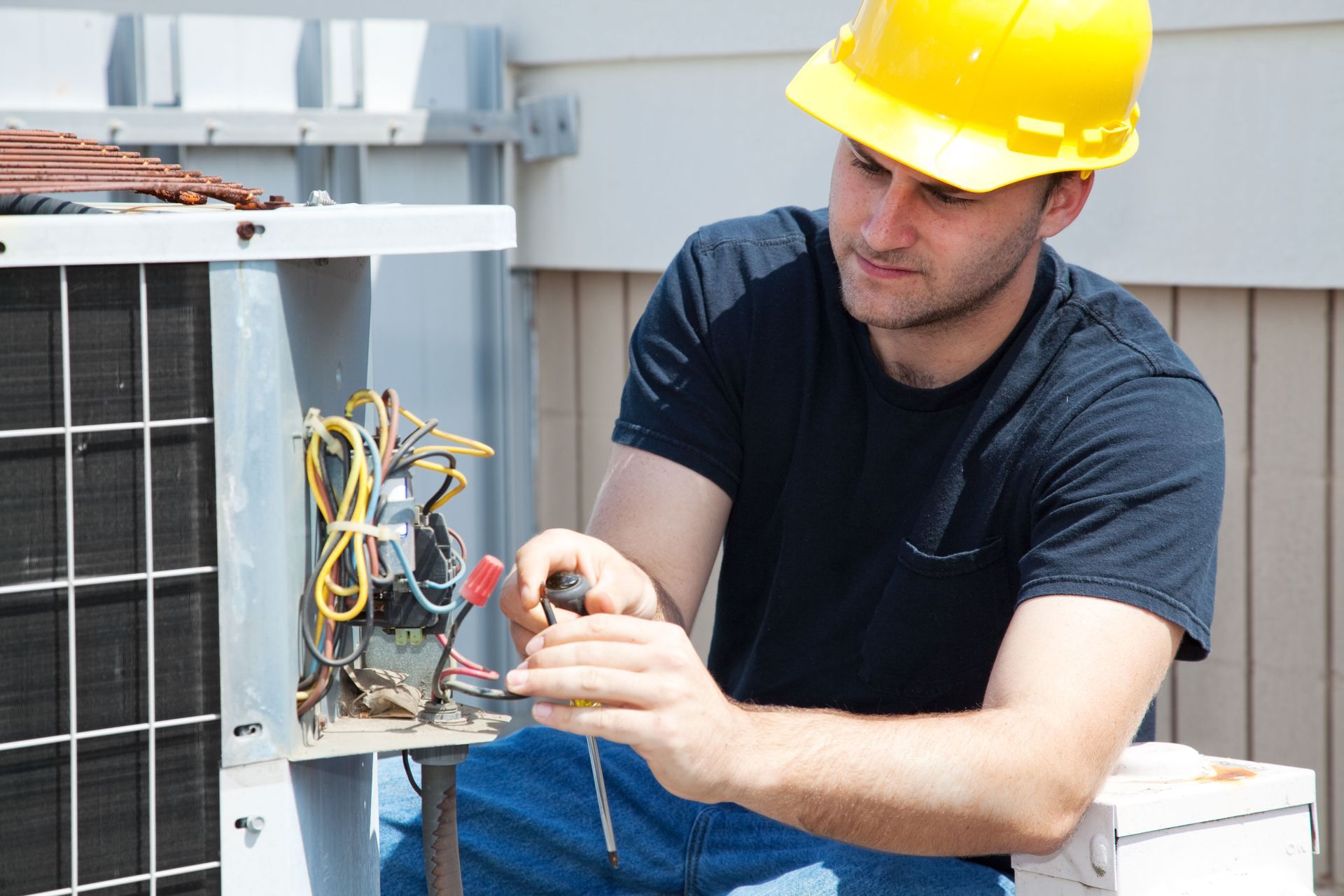
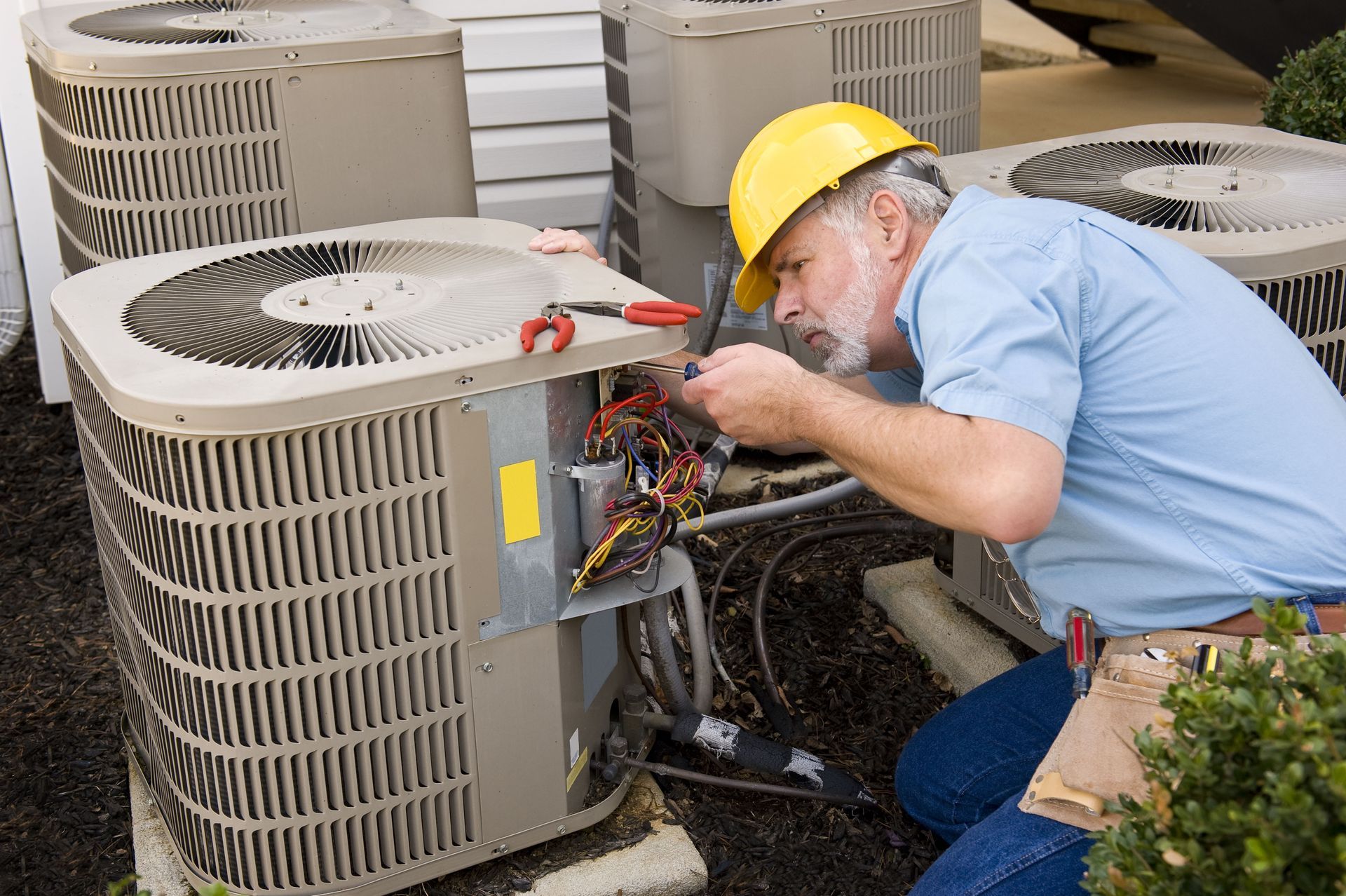
Modern climate control equipment relies on an intricate network of electrical, mechanical, and chemical components working together seamlessly. Evaporator coils absorb indoor heat, while condenser coils release that heat outside, requiring both surfaces to remain completely free of dirt and accumulated debris. Electrical connections, relays, and capacitors must be tested routinely to ensure proper voltage delivery and prevent electrical short circuits that damage sensitive control boards. Lubricating moving parts, inspecting safety controls, and clearing condensate drain lines prevent moisture accumulation that can lead to severe water damage inside the property.
Neglecting routine maintenance accelerates wear on internal components, forcing compressors and fan motors to work harder than necessary to achieve target temperatures. Overworked systems consume significantly more energy, leading to sudden spikes in monthly utility costs and premature system replacement. Professional technicians perform thorough multipoint inspections to identify worn belts, frayed wiring, and deteriorating seals before they disrupt daily operations. Scheduling regular tune ups with a trusted HVAC repair company extends equipment operational lifespan, improves energy management, and maintains optimal indoor air quality for occupants.
Evaluating Qualified Technical Expertise Standards
Selecting the right technical specialist to perform complex heating and cooling repairs requires careful evaluation of industry credentials and operational experience. Qualified technicians possess specialized certifications that demonstrate mastery of refrigerant handling, electrical safety protocols, and advanced diagnostic procedures. Modern climate systems incorporate digital controls, variable speed drives, and sophisticated sensors that demand deep technical knowledge for accurate troubleshooting. Attempting do it yourself repairs or hiring unverified workers often results in improper fixes, voided manufacturer warranties, and heightened safety hazards throughout the property.
A reputable service provider maintains proper licensing, comprehensive liability insurance, and transparent pricing structures for every project. Experienced technicians carry specialized diagnostic equipment to identify root causes accurately rather than simply treating superficial symptoms. Working alongside an established HVAC repair company gives property owners complete confidence that all repair work meets stringent industry standards and local building codes. Reliable professionals stand behind their workmanship, offering strong warranties and ongoing maintenance support to protect your valuable mechanical investments.
Selecting Dependable Emergency Service Protocols
Heating and cooling emergencies rarely happen at convenient times, often striking during extreme weather conditions when equipment runs continuously. Severe winter freezes or intense summer heatwaves put maximum pressure on mechanical components, increasing the likelihood of sudden system failure. Loss of heating during subfreezing weather threatens structural pipes with freezing risks, while excessive indoor heat poses severe health risks for vulnerable family members. Having an established relationship with a responsive service provider ensures fast resolution when urgent cooling or heating crises arise without warning.
Emergency response teams prioritize urgent requests, sending fully equipped technicians to restore indoor climate control as quickly as possible. Skilled specialists evaluate overall system safety, clear dangerous electrical conditions, and implement immediate repairs to restore proper temperature regulation. Knowing which technical team to call during an unexpected outage minimizes overall system downtime and reduces stress during severe weather events. Dependable assistance from a dedicated HVAC repair company restores household safety, protects delicate structural materials, and brings immediate peace of mind to property owners.
Maximizing Indoor Air Quality Management
Climate control systems do more than manage temperature; they directly affect the quality of the air breathed inside the building. Dust, pollen, pet dander, and airborne particles accumulate inside ductwork and filtration units over time, reducing overall air purity. When filtration media becomes clogged, ventilation blowers force contaminated air back into living spaces, aggravating respiratory sensitivities and allergy symptoms. Regular maintenance clears trapped pollutants, ensuring that clean air circulates freely through every room.
Professional servicing includes evaluating humidity control components, inspecting ductwork integrity, and cleaning internal coil surfaces to prevent biological contamination. Proper humidity balance prevents excess moisture that encourages mold growth while avoiding overly dry air that causes skin irritation. Technical specialists can also integrate advanced filtration systems and ultraviolet purifiers into existing equipment setups to neutralize microscopic pollutants. Consulting with a certified HVAC repair company helps property owners create a healthier indoor environment that supports overall wellness.
Promoting Long Term Energy Efficiency Improvements
Prompt technical interventions do far more than simply restore basic heating or cooling function; they significantly enhance overall energy efficiency. When mechanical components operate smoothly without excessive friction or air resistance, the entire system consumes less electricity or fuel to achieve desired indoor temperatures. Calibrating thermostats, sealing duct air leaks, and balancing system airflow optimize energy usage and reduce environmental impacts. Property owners who prioritize timely system care enjoy lower monthly utility bills alongside consistent, comfortable indoor temperature regulation throughout every room.
Upgrading worn internal components during standard service visits prevents minor inefficiencies from degrading overall system performance over time. Technicians can recommend advanced smart thermostats and modern filtration upgrades that further optimize energy usage and improve indoor air purity. Proactive care transforms a struggling climate system into an efficient asset that delivers steady comfort throughout the entire year. Partnering with a reliable HVAC repair company guarantees that your heating and cooling equipment continues to operate at peak thermodynamic efficiency for years to come.
Understanding the key signs of equipment distress, prioritizing component care, verifying technical qualifications, acting quickly during emergency failures, and maintaining indoor air quality are essential steps for every property owner. Proactive maintenance protects mechanical equipment from premature degradation, reduces monthly energy expenses, and maintains a clean indoor atmosphere. When heating or cooling systems display sluggish performance or unexpected breakdowns, seeking prompt professional assistance ensures long term operational reliability. For comprehensive system evaluations, fast emergency responses, and expert technical solutions, contact Cutting Edge Total Comfort.