As the colder months approach, ensuring your heating system is in top condition becomes paramount. Identifying the need for heating repairs early can save you time, money, and discomfort. This article outlines the telltale signs that your heating system may require professional repair services. According to IBISWorld, with over 118,433 HVAC contractor businesses across America, finding a professional to address your heating issues shouldn't be challenging. However, recognition of the symptoms that necessitate heating repairs can greatly assist you in seeking timely solutions.
Recognizing Unusual Noises from the Heating System
Understanding Different Types of Noises
Noises from the heating system can often be the first sign of trouble. Familiarizing yourself with the types of sounds can help in diagnosing the potential issue before scheduling heating repairs. A well-functioning heating system should operate quietly, without disruptive or startling noises. Squeaks, clanks, and rattles are indicative of an underlying problem that requires immediate attention. Each noise has its implications, and understanding them can guide you on whether it’s something you can debug or requires professional intervention.
Identifying Squealing Sounds and Their Implications
Squealing sounds typically indicate an issue with a moving component within the system. These sounds are commonly due to motor bearings in need of lubrication or worn-out fan belts. If the squealing occurs every time the heating system operates, consider getting it checked by a technician skilled in heating repairs. Persistent squealing can also suggest blower assembly issues, which can lead to total system failure if ignored. Timely attention to squealing sounds can prevent further damage and ensure efficient functioning.
Addressing Popping or Banging Noises
Popping or banging sounds are often alarming and should never be ignored. Such noises might be caused by air bubbles trapped in the system or mineral deposits within the pipes. Another common cause is delayed ignition, where gas builds up in the combustion chamber and ignites explosively. Addressing these issues often requires cleaning or replacing components to ensure safe and quiet operation. Consulting an HVAC professional for heating repairs is advisable, as these noises could pose safety risks.
Resolving Inconsistent Heating Throughout Your Home
Spotting Uneven Temperature Distributions
One of the signs of heating systems in need of heating repairs is inconsistent output across living spaces. If you notice that some rooms are warm while others remain cold, there may be issues with your heating distribution. This uneven temperature can often result from obstructions in airflow or malfunctioning components. Sometimes, adjusting the thermostat doesn't bring the desired warmth to all areas of your home. Recognizing these disparities is crucial for maintaining comfort and efficiency.
Evaluating the Role of Damaged Ductwork
Damaged or leaking ductwork is a common reason for inconsistent heating. Holes or blockages can lead to heated air escaping or cold air entering, disrupting the even distribution of warmth. Damaged ductwork also means your heating system has to work harder, which can lead to increased energy consumption and utility bills. Regularly inspecting ducts for any signs of wear can mitigate these issues. Enlisting professional services to perform necessary heating repairs on ductwork can restore optimal performance across your home.
Fixing Thermostat Issues Leading to Inconsistencies
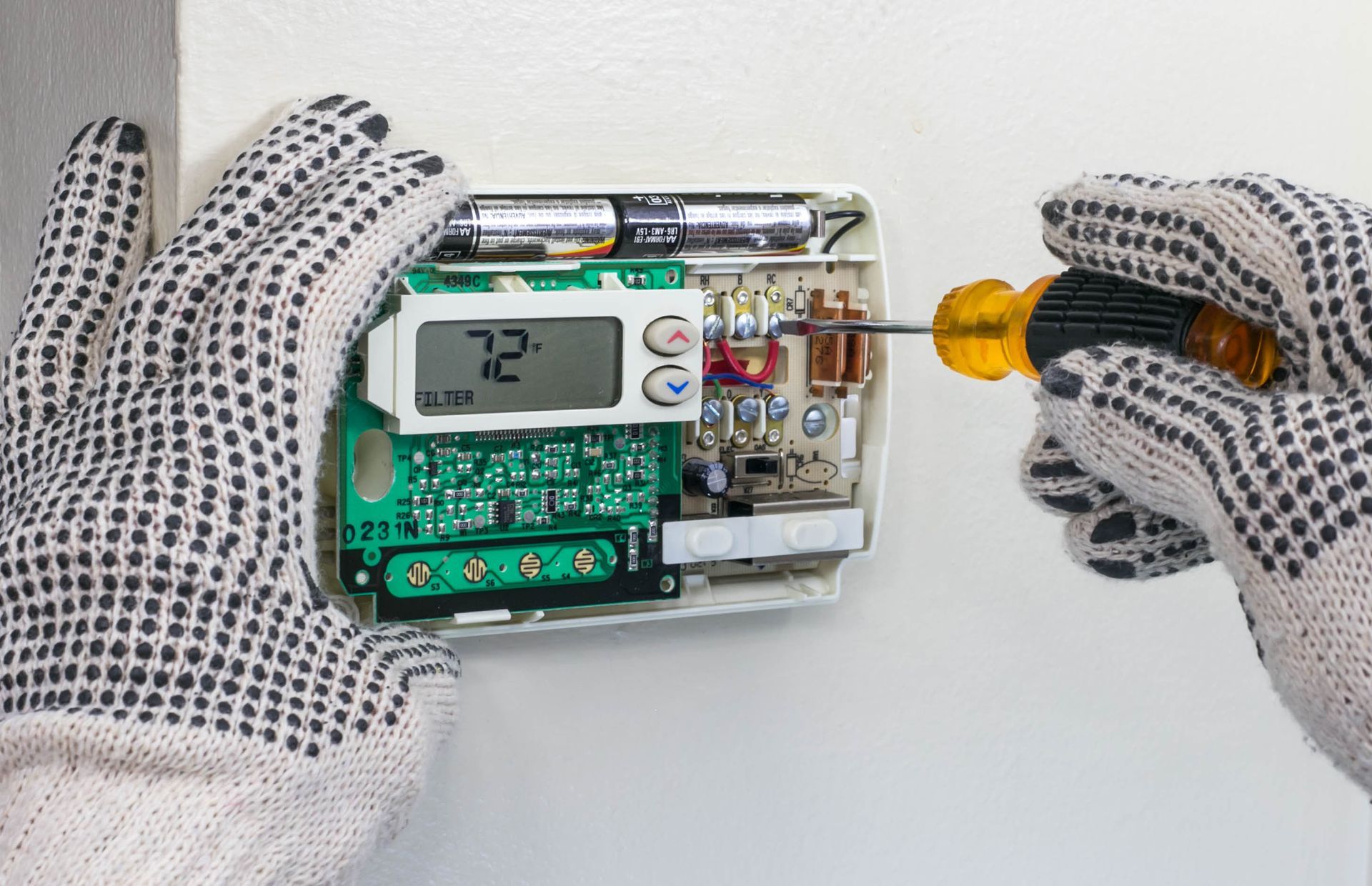
Thermostat malfunctions are a frequent culprit for uneven heating. A faulty thermostat can send incorrect signals to the heating system, resulting in inadequate warmth or overcompensation. For instances where the thermostat is older, recalibration or upgrading may be necessary. Smart thermostats can offer more precise control and adaptability, enhancing overall comfort. Ensuring the thermostat functions correctly is key to resolving temperature inconsistencies effectively.
Investigating Unexpected Increases in Energy Bills
Analyzing Your Energy Usage
An unexpected rise in energy bills often indicates inefficiencies within the heating system that warrant professional heating repairs. By closely monitoring your energy usage, you can determine if your heating system is consuming more power than usual. Factors contributing to increased energy usage include system age, neglected maintenance, and malfunctioning components. Comparing current bills to those from the previous year can highlight discrepancies. Understanding your energy consumption patterns is key to identifying inefficiencies.
Assessing the Impact of Poor Efficiency on Bills
Poor efficiency is a leading cause of elevated energy bills. An inefficient heating system requires more energy to achieve desired temperatures, leading to increased costs. This inefficiency could be due to old age, worn-out components, or lack of proper maintenance. Upgrading to more efficient models or performing timely heating repairs can significantly reduce energy consumption and costs. Regular tune-ups are valuable practices to maintain optimal system efficiency.
Identifying Signs of a Faulty Thermostat
A malfunctioning thermostat can also contribute to higher energy bills. If the thermostat fails to accurately gauge room temperatures, it can signal incorrect demands to the heating system. Such discrepancies lead to overworking the system, thus consuming more energy. Replacing an outdated thermostat with an advanced model can enhance accuracy and energy savings. Proper calibration of the thermostat ensures it controls the heating system efficiently.
Managing Frequent Cycling of the Heating System
Understanding the Cycling Process
The cycling process refers to how frequently your heating system turns on and off. Frequent cycling is typically undesirable as it indicates inefficiency. This process, known as short cycling, can strain system components, leading to wear and reduced lifespan. It requires more energy to restart frequently, thus driving up utility bills. Understanding the cycling process is essential to diagnosing and resolving short cycling issues effectively through targeted heating repairs.
Correcting Thermostat Calibration Issues
Improper thermostat calibration is a leading cause of frequent cycling. If it incorrectly assesses room temperatures, it can trigger the system to turn on unnecessarily. This constant on-off cycle can reduce system efficiency and increase operational costs. Recalibrating or upgrading the thermostat ensures accurate temperature readings. Maintaining correct thermostat functionality helps curb frequent cycling.
Resolving Air Filter Problems
Dirty or clogged air filters are common culprits of short cycling. Limited airflow due to clogged filters forces the system to overwork, causing frequent cycling. Regular replacement or cleaning of filters ensures optimal airflow and system efficiency. Moreover, these measures reduce strain on system components, prolonging their life. Regular maintenance schedules address potential filter-related issues before they affect system cycling.
Evaluating a Yellow or Flickering Pilot Light
Identifying What a Normal Pilot Light Should Look Like
A consistent blue flame is indicative of a properly functioning pilot light. The blue hue suggests the correct combination of gas and air, ensuring safe combustion. Deviations from this, such as yellow or flickering lights, indicate an underlying problem that may necessitate urgent heating repairs. Such issues might require adjustments or fixes to restore normal operation. Recognizing what a healthy pilot light looks like is crucial to maintaining safe system functionality.
Determining Causes of a Yellow or Flickering Flame
A yellow or flickering pilot light often suggests inefficiencies in gas combustion. This can result from inadequate air supply or dirt accumulations within the burners. These conditions alter the normal combustion process, increasing carbon monoxide risks. It is advisable to address such issues promptly to avoid compromising safety. Regular cleaning and maintenance of pilot components prevent fluctuations in the flame.
Recognizing the signs that your heating system needs repairs can prevent inconvenient breakdowns and costly repairs. By paying attention to unusual noises, temperature inconsistencies, unexpected bills, and other warning signals, you can ensure your home stays warm and efficient. Regular maintenance and swift action at the first sign of trouble can extend the life of your heating system and keep your household safe and comfortable. Taking proactive measures enhances reliability, providing reassurance during colder months. With numerous HVAC professionals available, accessing the right services to maintain system performance is seamless.
Keep your home warm, safe, and efficient all season long by contacting Cutting Edge Total Comfort today to schedule your expert heating repair service!