By Karen Lynch
September 15, 2026
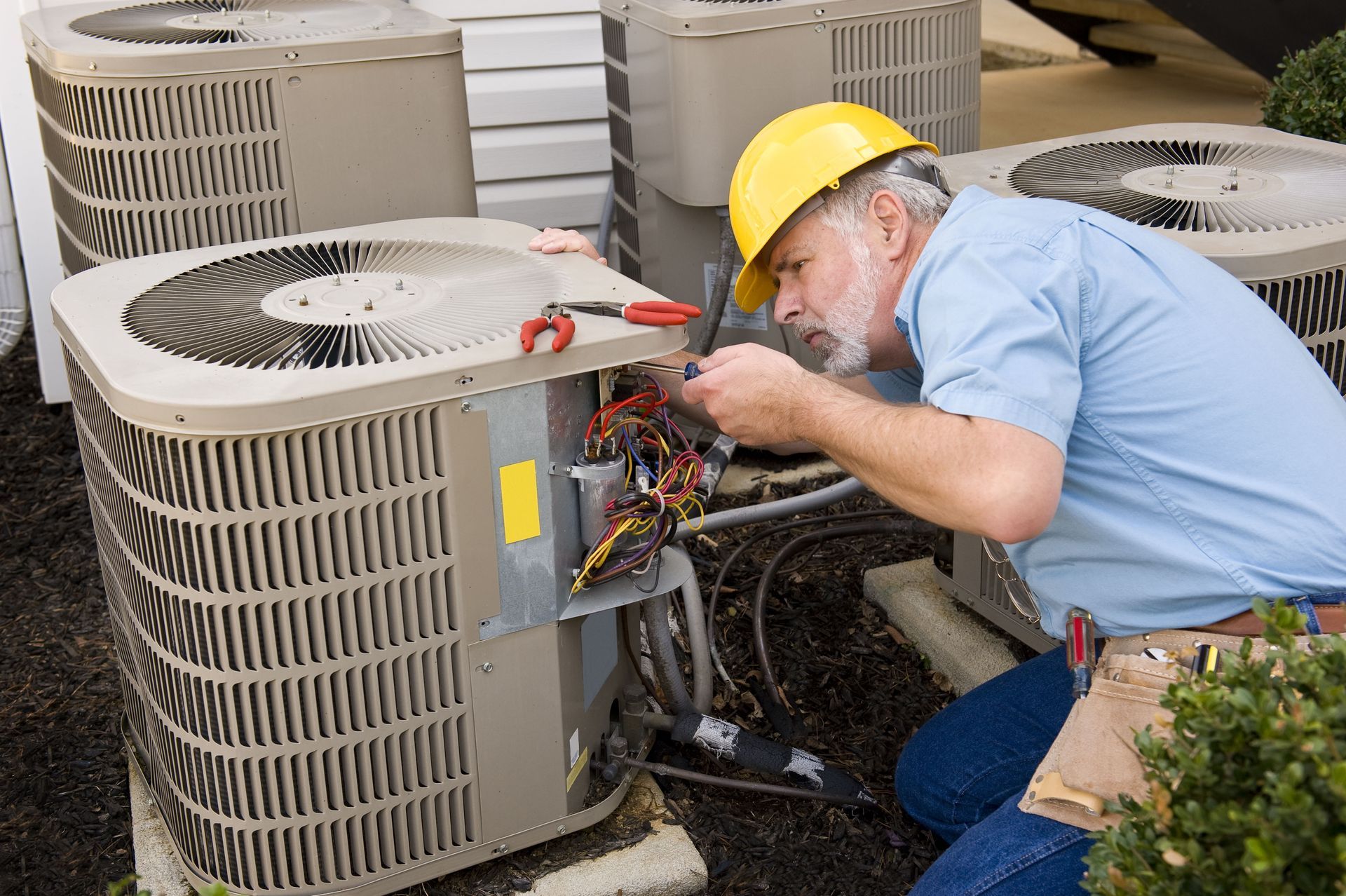
Sustaining a cozy, warm, and energy-efficient indoor sanctuary during the freezing winter months represents a primary responsibility for homeowners seeking to protect family health and preserve residential real estate equity. Central heating systems, whether gas furnaces, heat pumps, or hydronic boilers, serve as the mechanical heart of household comfort when sub-zero temperatures arrive. Operating heating equipment continuously under heavy winter workloads causes gradual mechanical wear across internal components, including igniters, blower motors, heat exchangers, and electronic control boards. Neglecting subtle system warning signs—such as unusual banging noises, cold air cycles, erratic thermostat readings, or unexplained utility bill spikes—often leads to total mechanical breakdown during severe winter weather. According to the U.S. Bureau of Labor Statistics, there were about 440,900 HVAC technicians working in the U.S. in 2025. Understanding how to navigate seasonal system troubleshooting empowers homeowners to address mechanical issues before costly component damage occurs. Learning basic diagnostic protocols, recognizing critical red flags, and establishing professional maintenance schedules safeguard household comfort while preventing catastrophic heating failures. Proactive mechanical care protects your physical infrastructure, optimizes monthly energy expenditures, and ensures continuous indoor warmth through every changing winter season. Understanding the essential principles of mechanical troubleshooting empowers homeowners to execute proactive care that safeguards residential comfort and preserves property value.
Recognizing Early System Warning Signs and Performance Drops
Identifying subtle mechanical irregularities before total system failure occurs provides the primary defense against unexpected winter heating emergencies. Heating systems rarely break down without displaying preliminary warning indicators, such as reduced airflow from supply registers, metallic clanking noises, or persistent short-cycling. Noticing erratic temperature swings between rooms or persistent sulfur odors signals localized mechanical stress or dangerous gas line leakage requiring immediate attention. Scheduling timely heating repairs prevents minor component wear from cascading into catastrophic heat exchanger fractures or compressor motor burnouts. Furthermore, paying close attention to unexpected monthly utility bill increases reveals underlying mechanical inefficiency caused by clogged air filters, loose fan belts, or failing ignition modules. Diagnostic alertness allows homeowners to isolate minor operational defects early, restoring optimal heating performance and preventing expensive emergency service calls. Diagnostic testing verifies electrical current draw across igniter circuits and measures static pressure levels inside supply plenum chambers. Timely interventions protect sensitive electronic controls and prevent sudden winter heating outages.
Inspecting Air Filtration Media and Optimizing System Airflow
Restricted airflow represents a primary yet easily preventable trigger of major heating system stress and unexpected shutdowns. Air filters collect airborne dust, pet dander, and microscopic debris, gradually choking off air intake pathways leading to primary heat exchangers. Operating heating units with clogged filter media forces blower motors to work harder, generating excessive internal heat that trips safety high-limit switches and shuts down burner cycles. Managing routine heating repairs involves inspecting air filter media monthly during peak winter operation and replacing clogged panels promptly. Maintaining clean air pathways ensures proper static pressure across cooling coils and heating elements, preventing heat exchanger overheating and motor burnout. Furthermore, inspecting floor registers and furniture placement prevents blocked return vents from disrupting balanced household air distribution. Optimizing system airflow protects delicate internal controls, enhances indoor air quality, and maintains consistent room temperatures. Installing pleated air filters captures dust particles while maintaining optimal airflow resistance across heating coils. Routine filter replacement shields internal components from abrasive dust accumulation.
Testing Thermostat Calibration and Updating Control Electronics
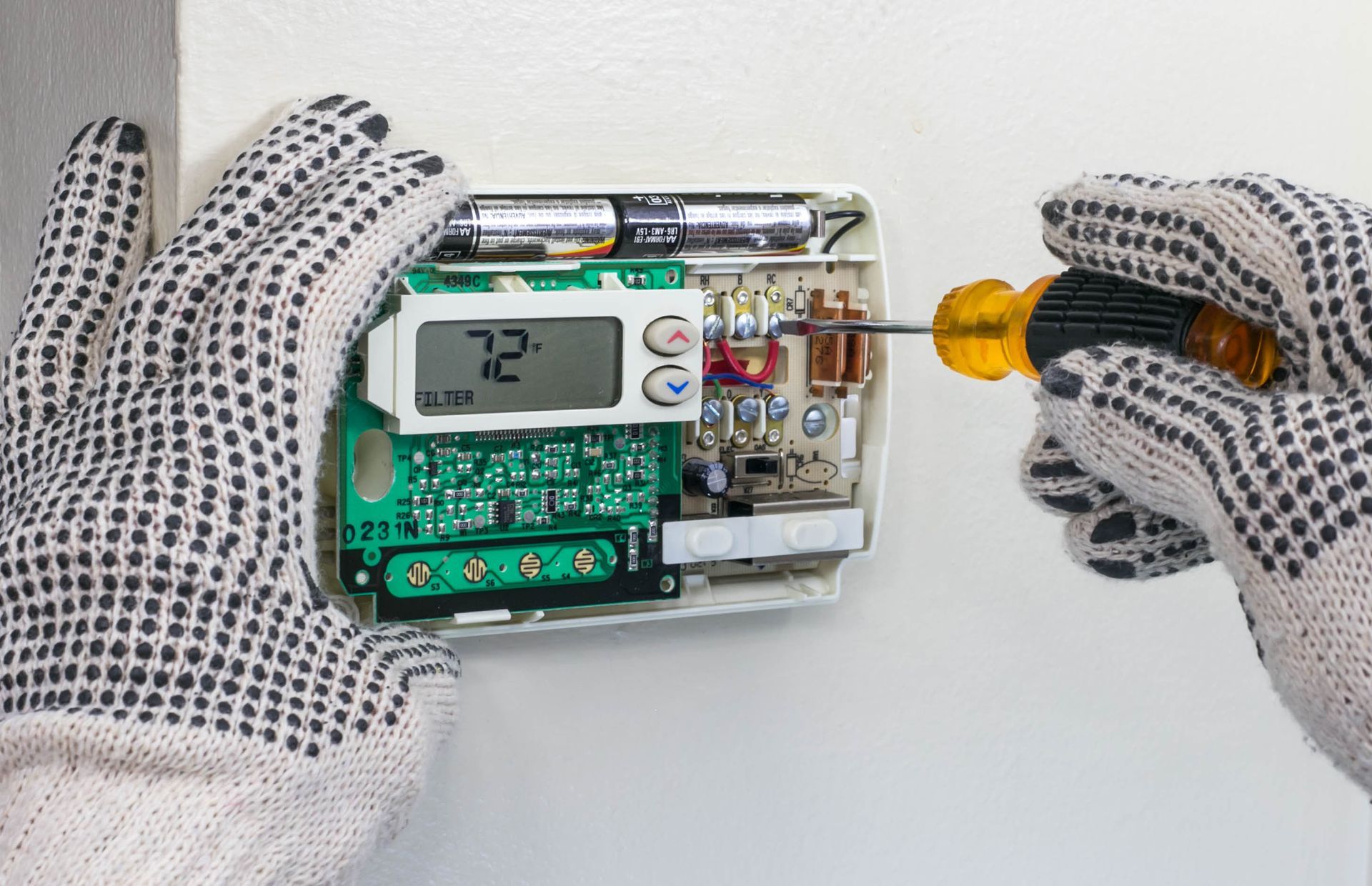
Accurate thermostat calibration ensures that central heating systems receive precise temperature signals and operate efficiently according to household schedules. Faulty wiring, dust accumulation inside sensor housings, or dead batteries cause thermostats to misread ambient room temperatures, resulting in constant short-cycling or continuous burner operation. Executing targeted heating repairs includes checking thermostat battery levels, dusting internal circuit contacts, and verifying digital sensor calibration against room thermometers. Upgrading outdated mechanical thermostats to modern programmable or smart wireless controls provides precise temperature management and automated setback schedules. Furthermore, smart thermostat integrations allow remote temperature monitoring, alerting homeowners to sudden indoor temperature drops that indicate heating system failure during freezing weather. Verifying thermostat electronic accuracy prevents unnecessary fuel consumption, balances room comfort, and streamlines overall heating automation. Inspecting thermostat wiring connections prevents subtle signal drops that cause erratic burner behavior and false error codes. Digital control accuracy stabilizes household temperatures and optimizes fuel consumption.
Evaluating Igniter Mechanisms and Assessing Pilot Light Functionality
Reliable ignition systems serve as the critical catalyst for initiating safe, efficient combustion cycles within gas furnaces and hydronic boilers. Modern heating systems utilize electronic hot surface igniters or direct spark igniters, whereas older furnace models rely on standing pilot light assemblies. Facing ignition failure prevents burners from lighting, causing heating systems to blow cold air or shut down completely into safety lockout mode. Addressing complex heating repairs involves inspecting hot surface igniters for visible cracks, removing carbon oxidation from flame sensor rods, and cleaning pilot burner orifices. Dirty flame sensor rods fail to detect active burner flames, causing control modules to shut off gas valves prematurely to prevent dangerous unburned gas accumulation. Furthermore, ensuring clean pilot gas pathways prevents flickering yellow pilot flames that signal incomplete combustion and carbon monoxide risks. Maintaining clean ignition components guarantees instant burner ignition and safe fuel combustion. Cleaning flame sensor rods using fine emery cloth removes invisible silica coatings that disrupt flame rectification currents. Clean ignition components guarantee smooth, reliable burner operation throughout freezing weather.
Examining Blower Motor Assemblies and Verifying Fan Belt Tension
Blower motor assemblies drive warm air through extensive ductwork networks, distributing comfortable heat evenly across multi-story residential floor plans. Continuous rotation subjects blower bearings, motor windings, and fan belts to severe friction, dust accumulation, and thermal stress over extended winter operating cycles. Contracting for professional heating repairs ensures that certified technicians clean blower wheel blades, lubricate motor bearings, and adjust fan belt tension to exact manufacturer specifications. Loose or frayed fan belts cause slipping, noisy operation, and reduced airflow, whereas over-tightened belts accelerate bearing wear and cause motor overheating.
Furthermore, clearing accumulated dust from blower motor housings prevents thermal overload switches from tripping during extended heating cycles. Maintaining clean, properly lubricated blower assemblies restores whisper-quiet operation, maximizes airflow delivery, and extends motor operational lifespan. Checking capacitor microfarad ratings verifies that motor starting circuits receive adequate electrical energy. Proper blower maintenance prevents motor burnout.
Navigating essential heating system maintenance requires vigilance, timely airflow optimization, precise thermostat calibration, clean ignition care, blower motor lubrication, and comprehensive safety switch verification. Recognizing early performance drops, replacing clogged air filter media, updating control electronics, cleaning flame sensors, and inspecting flue exhaust systems ensure reliable winter warmth.
Addressing minor mechanical faults promptly protects building equity, lowers monthly utility expenditures, and prevents catastrophic emergency breakdowns during freezing weather storms. Working alongside certified trade professionals transforms complex mechanical troubleshooting into a smooth, stress-free home preservation routine. Investing in proactive heating system care safeguards your household, preserves indoor comfort, and guarantees lasting peace of mind across every winter season. Systematic preliminary maintenance protects equity and secures your living space for years to come. Proactive mechanical maintenance safeguards real estate equity, protects household safety, and delivers lasting peace of mind.
At Cutting Edge Total Comfort, our dedicated team brings deep technical expertise, state-of-the-art diagnostic equipment, and an unwavering commitment to safety on every heating project we execute, ensuring your home achieves complete thermal reliability, optimal energy efficiency, and lasting indoor comfort across every winter freeze. Contact us today to schedule your comprehensive heating system evaluation and discover the lasting benefits of working with reliable climate control professionals.