By Karen Lynch
January 30, 2026
Living in Virginia means enjoying four distinct seasons—but it also means dealing with weather that seems to swing between extremes with little warning. One day it’s mild and breezy, the next it’s humid enough to fog your windows, and before you know it, winter sweeps in with a sharp icy chill. If you’re anywhere near Hampton Roads, the salty coastal air adds an extra layer of wear on your home systems.
Your HVAC system is the one trying to keep up with all of it—and over time, it starts to show signs of stress.
The good news? Most HVAC problems that Virginia homeowners face aren’t complicated; they’re often preventable with a bit of awareness and consistent care. Below is a deeper look at the most common issues, why they happen here so frequently, and what you can do to prevent them.
1. Clogged or Dirty Air Filters (A Virginia Classic)
Virginia’s air carries more than just humidity—it brings pollen (lots of it), pet dander, outdoor dust, and even coastal salt particles, depending on where you live. All of this ends up in your filters, which tend to clog faster here than in many other states.
Why it’s such a problem:
Clogged filters restrict airflow, forcing your HVAC system to work twice as hard to push air through. This not only reduces comfort but can also shorten the system’s lifespan.
What you’ll notice:
- Weak or uneven airflow
- Rooms are taking longer to cool or heat
- The system is running almost nonstop
- A noticeable increase in your utility bill
How to prevent it:
Swap filters
every 30–60 days
, especially during spring when pollen is at its peak. High-efficiency filters are a smart upgrade for homes with pets, allergies, or asthma concerns.
2. Refrigerant Leaks (Especially in Coastal Areas)
Refrigerant is the lifeblood of your air-conditioning system. When levels drop due to a leak, the entire cooling process becomes inefficient or stops working entirely.
Why it happens in Virginia:
If you live anywhere near the coast—Virginia Beach, Norfolk, Suffolk, Chesapeake—the salty air causes metal components to corrode more quickly. Inland homes also experience leaks simply from normal wear or older equipment.
Common signs:
- Warm or lukewarm air blowing
- Ice forming on the AC coils
- Your home stays humid even while the AC runs
- Hissing noises near the unit
Prevention:
Annual coil inspections can catch early corrosion. Regular tune-ups keep refrigerant levels where they should be and help identify issues long before they turn into expensive repair jobs.
3. Uneven Temperatures in Different Rooms
Many Virginia homeowners—especially those living in older or historic properties—deal with rooms that never feel the same temperature. This is often due to aging ductwork, poor insulation, or additions that weren’t integrated with the main HVAC system.
Why it’s common here:
Virginia has a lot of older home designs, and many were never intended for modern HVAC systems. As families added rooms or finished spaces like attics and basements, airflow became more uneven.
What it feels like:
- The upstairs feels like a sauna
- Downstairs feels like a walk-in freezer
- The HVAC runs constantly, but comfort never feels “balanced”
Prevention:
A professional duct inspection can reveal leaks, blockages, or poorly sized ductwork. Duct sealing, improved insulation, or adding supplemental systems like mini-splits can solve the issue permanently.
4. Frozen Evaporator Coils
It might feel strange to see your system freeze in the middle of a Virginia summer, but it’s common when airflow is restricted or refrigerant levels are low.
Why it happens:
- Dirty filters
- Blocked vents
- Low refrigerant
- Poor airflow in older duct setups
Signs you’ll see:
- Ice buildup on the indoor unit
- Water dripping when the ice melts
- Warm air coming from vents
Prevention:
Keep vents open, change your filters regularly, and make sure your system gets a spring tune-up before the summer heat rolls in.
5. High Indoor Humidity Levels
Anyone who has lived through a sticky Virginia summer knows that humidity is a constant battle. When your HVAC system can’t keep moisture under control, your home feels uncomfortable no matter the temperature.
Why it happens:
Humidity in Virginia regularly hits levels that strain standard HVAC systems. Add sealed-up modern homes with limited ventilation, and moisture has nowhere to go.
You may notice:
- Musty odors
- Mold or mildew spots
- Condensation on windows
- A “heavy,” damp feeling in the air
Prevention:
A whole-home dehumidifier is often the best solution. It lightens the load on your AC and helps maintain healthier indoor air.
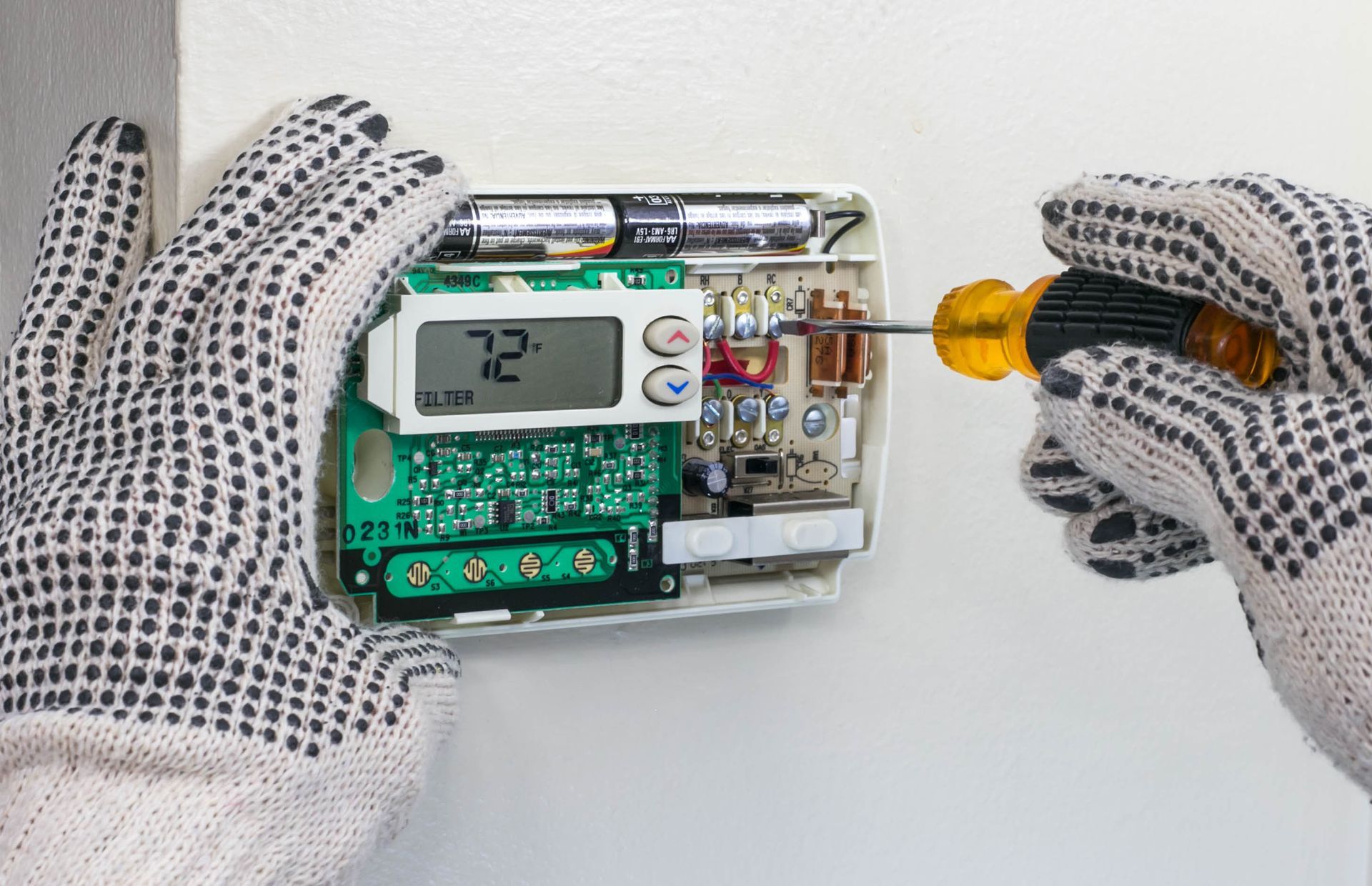
6. Thermostat Problems That Mimic HVAC Failures
It’s easy to assume your HVAC system is failing when the real culprit is the thermostat. Outdated thermostats misread temperatures, creating inconsistent heating or cooling.
Common issues:
- Old thermostat located in direct sunlight
- Dying batteries
- Faulty sensors
- Wiring problems
Prevention:
Upgrading to a smart thermostat can significantly improve comfort, reduce energy waste, and give you better control over your home’s environment.
7. Weather-Related Wear and Tear
Virginia seasons bring moisture, pollen, salty air, sudden cold snaps, high winds, and storms. All of this accelerates HVAC aging.
Most affected parts:
- Outdoor coils
- Fans and motors
- Electrical components
- Metal casings and connections
Prevention:
A spring and fall tune-up schedule is your best defense. Clearing leaves, dirt, and debris from around the outdoor unit helps keep airflow strong and prevents unnecessary strain.
Final Thoughts: Comfort in Virginia Starts With Care and Prevention
Your HVAC system works harder than you think—handling humidity, salty air, seasonal swings, and constant pollen. But with a little attention and routine maintenance, most problems are completely avoidable.
Whether you’re trying to stay cool in the summer, warm in the winter, or comfortable through Virginia’s unpredictable in-between seasons, a trusted local HVAC contractor can help keep your system running smoothly.
A comfortable home isn’t just about temperature—it’s about peace of mind. And with the right care, your HVAC system can deliver just that, year-round.